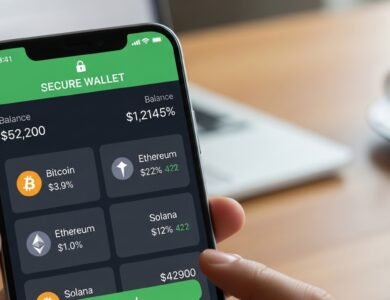
Finding a crypto wallet with highest security can feel confusing because there are many wallets, many opinions, and many scary stories. The truth is simpler than it looks. A secure wallet is mainly about one thing: keeping your private key safe. Your private key is what allows spending. If someone gets it, they can move your crypto. If you lose it, you may lose access forever.
That is why choosing a crypto wallet with highest security is not only about the wallet you download or buy. It is also about how you set it up and how you use it every day. In this guide, you will learn the safest wallet types, the security features that matter, and easy steps to reduce risk without becoming a security expert.
What “Highest Security” Means in Crypto Wallets
When people search most secure crypto wallet, they usually want a wallet that protects them from theft. That is a good goal, but “highest security” has two sides. The first side is protection from hackers and scams. This includes phishing links, fake apps, malware, and trick transactions. The second side is protection from mistakes. This includes losing your recovery phrase, breaking your phone, or forgetting a password. A truly crypto wallet with highest security helps you avoid both problems. It keeps your keys away from online threats and also gives you a safe way to recover if something happens.
Crypto Wallet With Highest Security Starts With Wallet Type
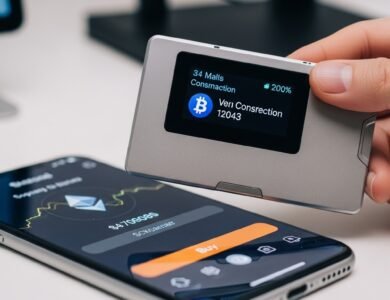
There are two main wallet types most people use. Each one fits a different level of risk. A hot wallet is connected to the internet, like a mobile wallet or browser wallet. It is convenient for daily use, but it is exposed to online threats. A cold wallet is not connected to the internet in the same way. The safest cold wallet option for most people is a hardware wallet. It stores your keys inside a physical device and signs transactions securely. If you want a crypto wallet with highest security for long-term holding, a hardware wallet is usually the top choice.
Why a Hardware Wallet Is Often the Most Secure Crypto Wallet
A hardware wallet keeps your private key inside the device. Your computer or phone can be infected, but the key does not leave the device. When you send crypto, the wallet asks you to confirm the details on the device screen. That makes it harder for malware to change the receiving address without you noticing. That is why many people call a hardware wallet the best crypto wallet for storing large amounts.
When a Hot Wallet Can Still Be Safe
A hot wallet can still be safe for smaller amounts, especially if you follow good habits. Hot wallets are common for DeFi and daily transfers. Many users keep a hot wallet like a “spending wallet” and store most funds in cold storage. This two-wallet approach improves security because you do not expose your long-term savings to risky approvals every day.
Understanding Non-Custodial vs Custodial Wallets
This is one of the most important ideas in crypto security. A non-custodial wallet means you control the keys. You hold the recovery phrase. You are in charge. A custodial wallet means a company controls the keys for you, like many exchange wallets. It can be easy to use, but it adds risk. Accounts can be hacked, frozen, or restricted. Platforms can also fail. If your goal is a crypto wallet with highest security, most experts prefer non-custodial self-custody for serious long-term storage.
The Key Terms You Must Understand for Wallet Security
Before choosing the best crypto wallet, you should know these simple terms. A private key is the secret that allows spending. A seed phrase is a list of words that can restore your wallet. It is the master backup. Self-custody means you are responsible for both safety and recovery. Cold storage means keeping keys away from online exposure. A multi-signature wallet requires more than one key to move funds. Knowing these terms makes it easier to choose a crypto wallet with highest security without getting confused by marketing.
The Security Features That Matter Most
Not every feature is useful. Focus on the features that prevent real losses. A strong PIN system is important on hardware wallets. Clear transaction verification is important, so you can confirm the address and amount. Secure recovery is important, so you can restore your wallet safely. Protection against phishing is important, especially for browser wallets. If a wallet makes you type your seed phrase into a website, that is a red flag. A real wallet setup does not require that.
Most Secure Crypto Wallet Setup for Long-Term Holding
If you are holding crypto for months or years, your setup should be simple and strong. A common high-security setup is a hardware wallet in cold storage, with a safe backup of your seed phrase stored offline. Many people also use a second wallet for daily use. This is a smart move because daily wallets interact with apps, sites, and contracts more often. With this setup, your main wallet stays quiet and protected most of the time.
How to Store Your Seed Phrase Safely
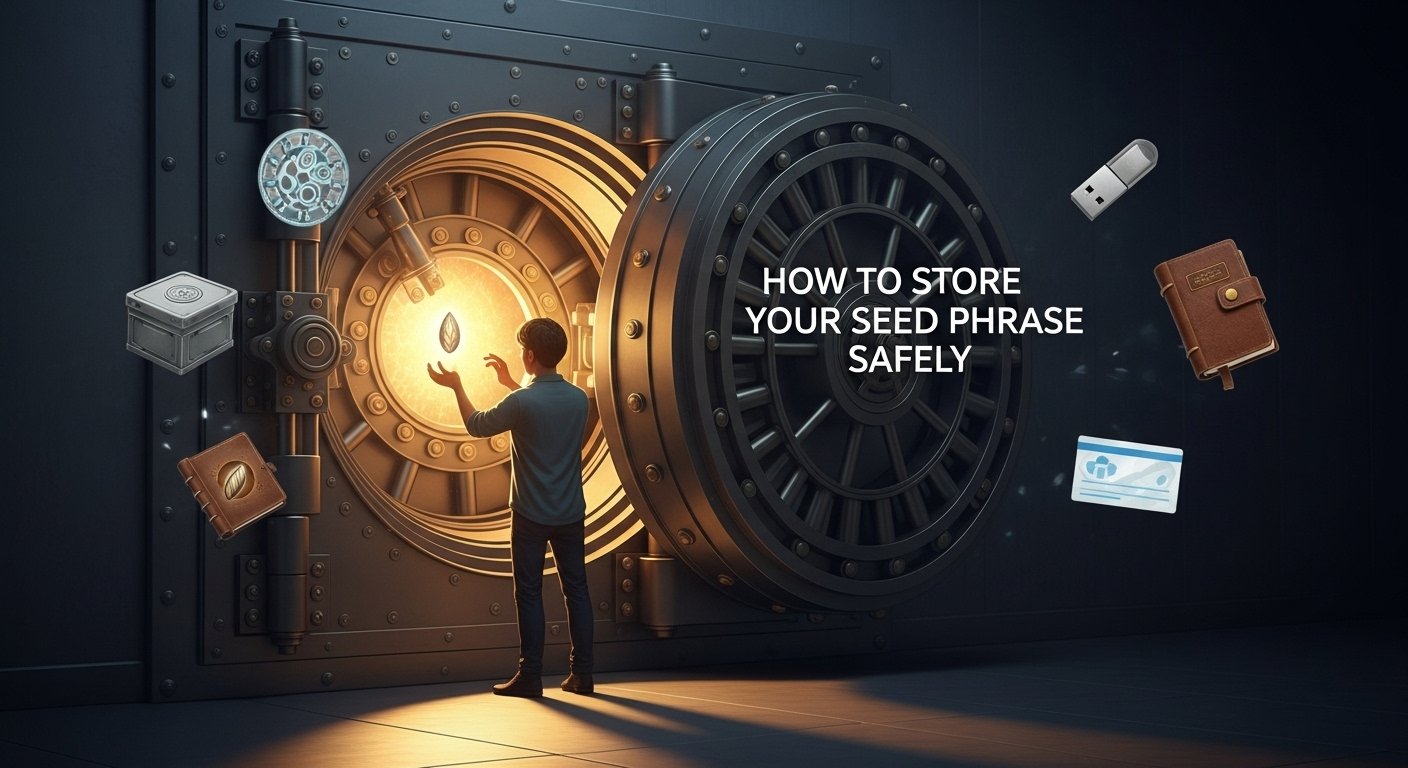
Your seed phrase is the most important part of wallet security. If someone sees it, they can take your crypto. If you lose it, you can lose access. For stronger security, keep it offline. Do not store it in email, screenshots, Google Drive, or notes apps. Cloud storage is a common reason people get drained. Some users use metal backups to protect against fire and water. Others use strong physical storage at home. The best choice depends on your situation, but the rule is the same: keep it offline and hard to steal.
Should You Use a Passphrase?
A passphrase is an extra secret you add on top of the seed phrase. It can be a strong defense, but it also adds complexity. If you forget the passphrase, you may not be able to recover your funds. For a crypto wallet with highest security, a passphrase can help, but only if you can store it safely and remember it.
Multi-Signature Wallets for Extra Protection
A multi-signature wallet is one of the strongest options for large holdings. It requires two or more approvals to send funds. For example, a 2-of-3 setup means two keys must sign. This reduces risk because one stolen device is not enough to drain the wallet. It also helps if you lose one key, depending on the setup. Multisig is powerful, but it requires careful planning. It is best for serious holders, teams, or anyone protecting a large amount.
Air-Gapped Wallets and Ultra-High Security
An air-gapped wallet signs transactions without direct internet connection. It often uses QR codes. This reduces some risks even more, but it also requires a careful routine. For most users, a high-quality hardware wallet already offers excellent security. Air-gapped setups are more advanced, and they only help if used correctly.
Crypto Wallet With Highest Security for DeFi and Daily Use
DeFi can be risky because you sign many transactions and approvals. The wallet is not always the problem. Often, the approval is the problem. A common safer method is to use a hot wallet for DeFi, but connect it to a hardware wallet for signing. This reduces risk because the final approval happens on a secure device. Another safer method is to keep a separate DeFi wallet with limited funds. That way, even if something goes wrong, your main holdings stay protected.
Why Token Approvals Matter in DeFi
Some scams do not steal your seed phrase. Instead, they trick you into giving a smart contract permission to spend your tokens. If you approve unlimited token spending, a malicious contract can drain your tokens later. That is why smart users review and remove old approvals. This is one of the most practical crypto wallet security habits.
Crypto Wallet Security Tips That Google Users Search Most
People often search these topics when trying to secure crypto: how to secure a crypto wallet, best hardware wallet, cold storage wallet, best Bitcoin wallet, best Ethereum wallet, how to store seed phrase, how to avoid crypto scams, non-custodial wallet, and wallet vs exchange.
These are popular because they solve real pain points. Here is how to apply them in real life. Use a hardware wallet for long-term storage. Use a separate wallet for daily spending. Never share your seed phrase with anyone. Only download wallet apps from official sources. Always double-check website addresses. Confirm the receiving address on your wallet screen. Avoid random browser extensions. Keep your devices updated. These habits reduce risk more than chasing the “perfect” wallet.
Best Crypto Wallet Options People Commonly Consider
When people compare best crypto wallet and most secure crypto wallet, these types appear often. Hardware wallets for cold storage. Mobile non-custodial wallets for daily use. Browser wallets for DeFi, ideally paired with a hardware wallet. The safest choice depends on your use case, but the security rule stays the same: keep big funds in cold storage and limit exposure.
Conclusion
Choosing a crypto wallet with highest security is about smart storage and smart habits. For most people, the safest path is simple: use a hardware wallet for long-term holdings, protect your seed phrase offline, and use a separate hot wallet for daily transactions. If your holdings grow, consider stronger setups like a multi-signature wallet. Now take action: set up your crypto wallet with highest security today, split your funds into a cold wallet and a spending wallet, and start using safer habits on every transaction.